Business
Cockroach Thinking: The Founder Mindset That Outlasts Every Crisis
The power went out at 11:43 on a Tuesday morning. Amara had been on a demo call with a prospect in Accra, a logistics company, their biggest lead that month, when the screen went black. No UPS. No generator. The modem…
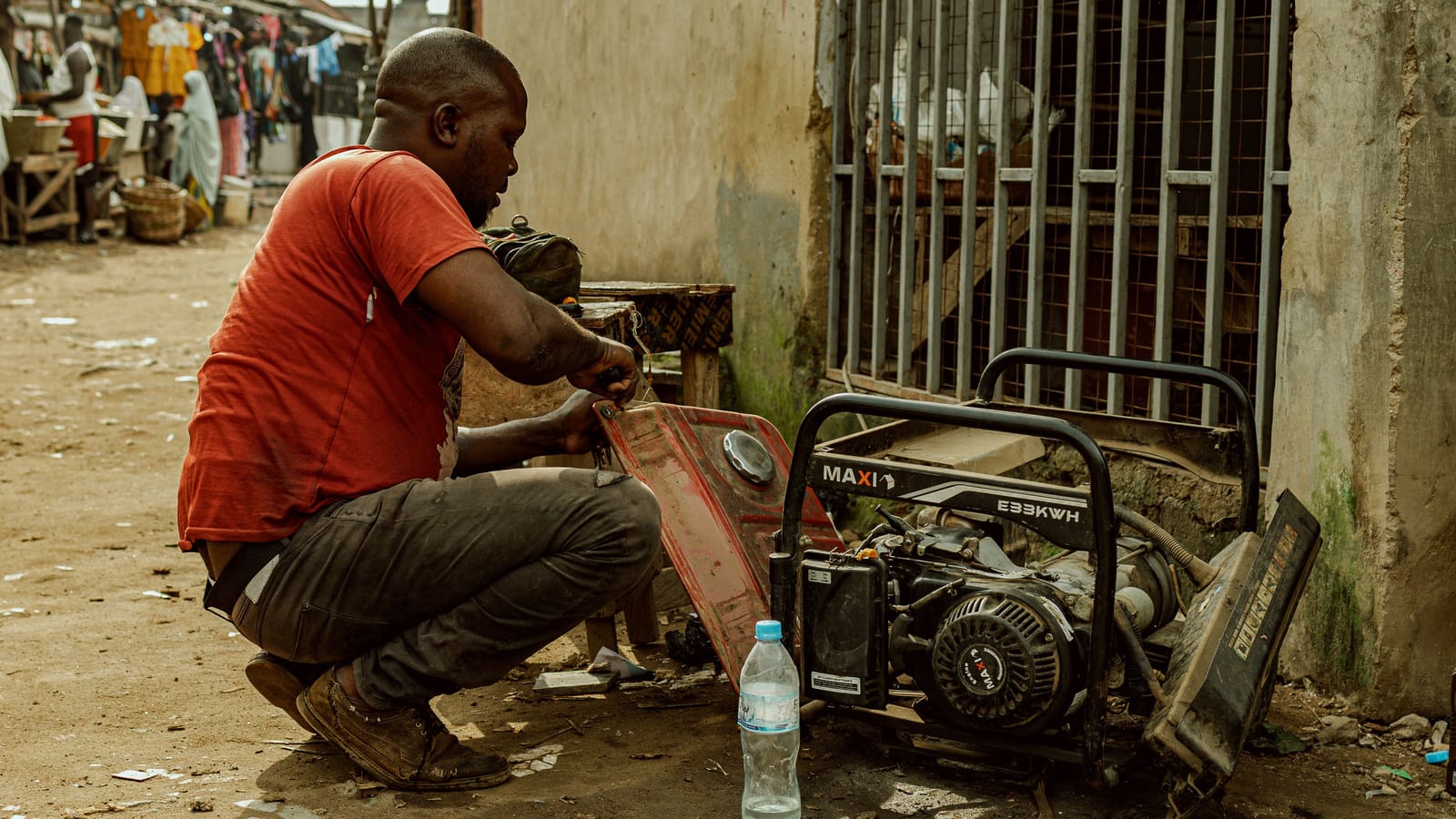
The power went out at 11:43 on a Tuesday morning. Amara had been on a demo call with a prospect in Accra, a logistics company, their biggest lead that month, when the screen went black. No UPS. No generator. The modem died with the lights.
She had been here before. Many times before. She picked up her phone, switched to mobile data, and sent a WhatsApp message: "Load shedding. Back in 20. Apologies." Then she walked to the kitchen, made tea on a gas ring, and waited.
The prospect replied: "No problem. Same here last week."
The call resumed. The deal closed.
This is what cockroach thinking looks like in practice. Not heroic. Not dramatic. A founder who had already built the disruption into her mental model, so when it arrived, as it always does, she did not panic. She adapted. She kept moving.
The Founder Who Cannot Be Stopped
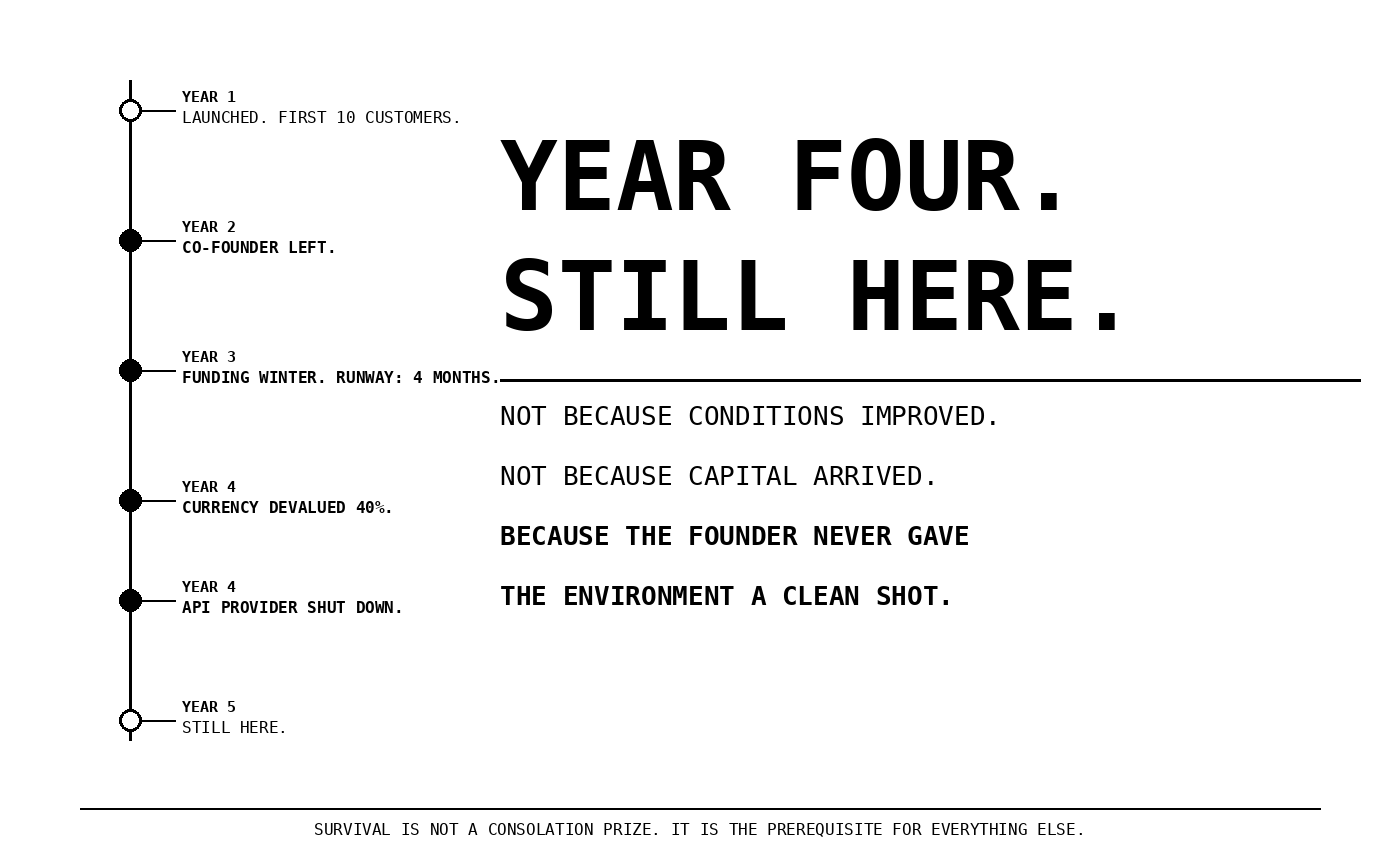
There is a type of founder who does not appear in the origin stories that get written up. They do not raise large rounds. They do not feature in "30 under 30" lists before they have built anything. What they do is stay in the game, month after month, in markets that regularly test whether they should.
The cockroach is the right metaphor because it is not about being impressive. It is about being unkillable. Cockroaches have outlasted conditions that wiped out most life on the planet, not through strength or speed, but through adaptability, low resource requirements, and a complete absence of any assumption that conditions will be comfortable.
In African startup markets, that quality compounds into genuine competitive advantage. The founder still building in year four, after the funding winter, after the currency devaluation, after the platform change that broke their main integration, after the co-founder who left, has something no accelerator can teach: lived evidence that they can survive.
I have met a handful of these founders in Africa. None of them talk about resilience. They just talk about what they did next.
What The Environment Actually Demands
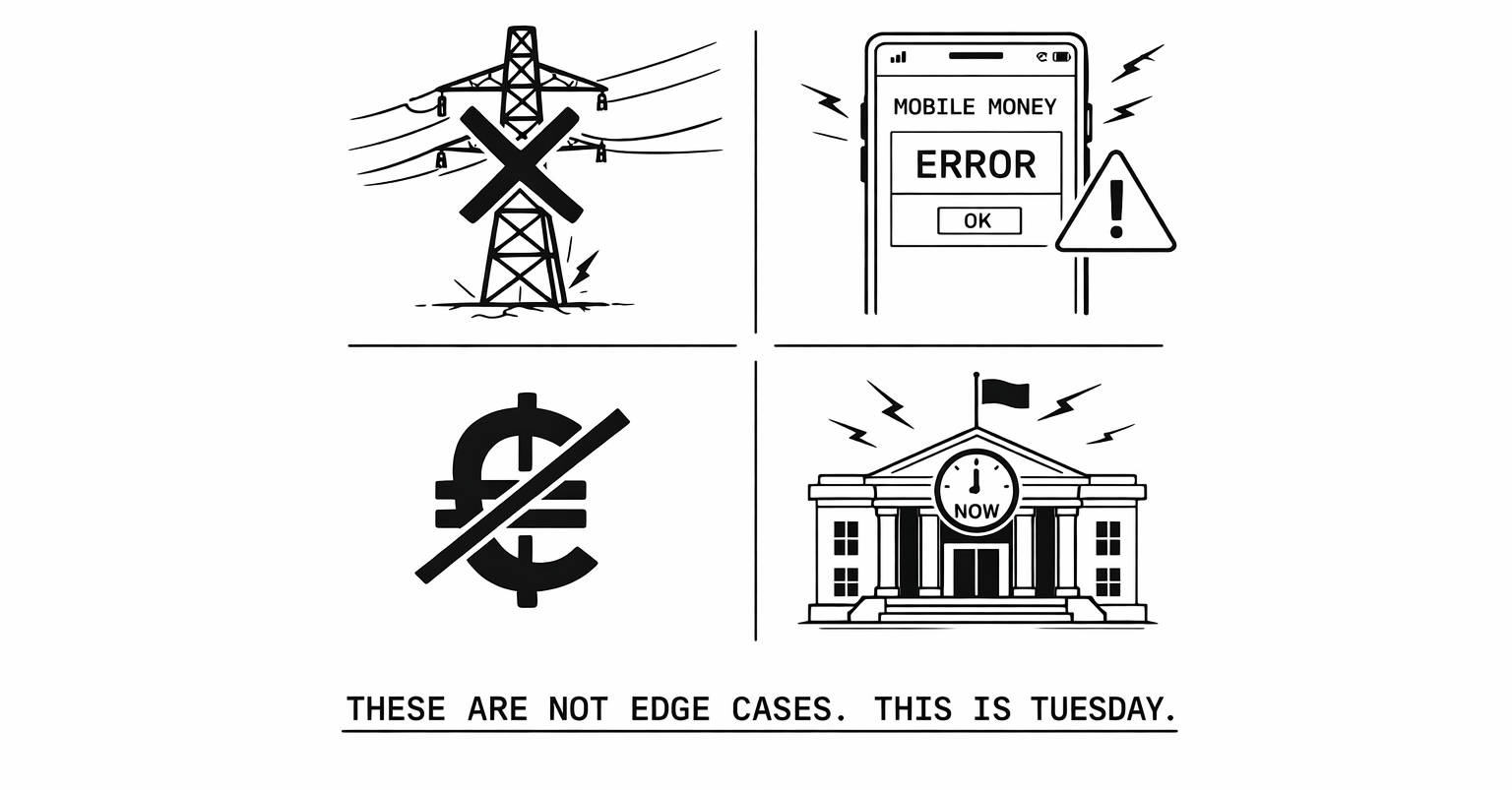
Building in most African markets means treating as normal what would count as a crisis elsewhere...
Power infrastructure that fails on a schedule. Mobile money systems that can go offline without warning. Tanzania banned dollar pricing in April 2025 with little transition period, and forex restrictions have made dollar-denominated software costs existential for founders who did not see it coming. Regulatory changes that arrive fast and land hard.
None of this is exceptional. It is Tuesday.
Founders who struggle are often those who arrived with a mental model built in more forgiving environments, where infrastructure mostly works, capital is accessible, and payment processing is reliable. When the environment behaves as it actually behaves, they read it as a sign something has gone wrong. They wait for conditions to normalise. They often wait a long time.
Cockroach founders do not wait. They have already assumed the worst and built accordingly. Their product has an offline mode. Their team knows the manual fallback for every automated process. Their pricing model accounts for the months when customers cannot pay. Their burn rate was calculated assuming the next fundraise does not arrive.
What This Looks Like In The Product
This is not abstract. Cockroach product thinking produces specific features that pay off in exactly the moments when everything else breaks.
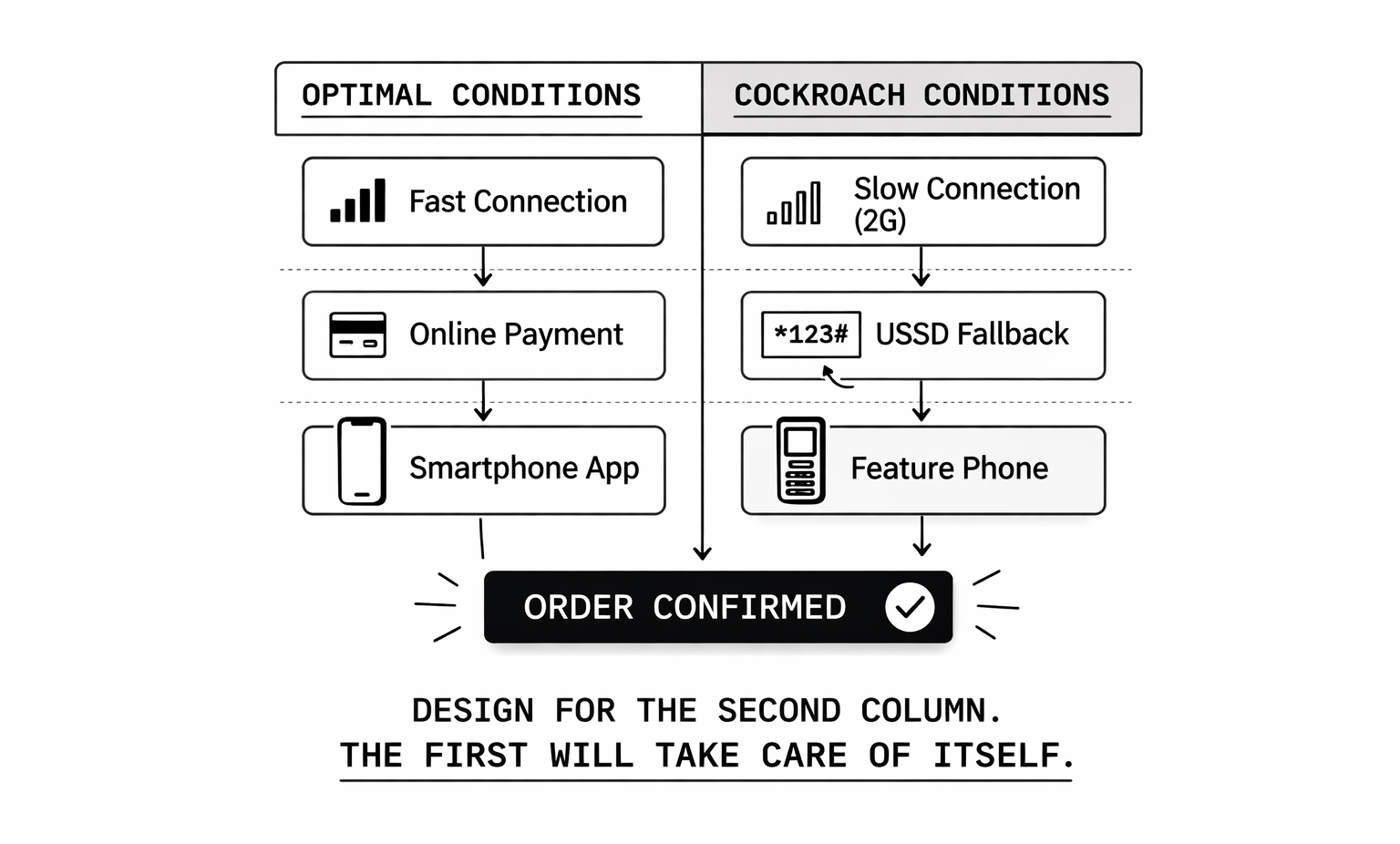
Carry, a Nigerian financial management platform for diaspora businesses, built its core flows to function on slow or intermittent connections, because the customers it serves are often in environments where bandwidth is inconsistent. Wasoko, the B2B e-commerce platform operating across East Africa, built order management that field agents can operate via basic feature phone interfaces when smartphone connectivity fails. These are not edge case features. They are the product working as designed for the market that actually exists.
The principle: every critical user action should have a fallback that does not require optimal conditions. Map your product's three most important flows. Ask whether each one works when the connection drops, when the payment provider is down, when the customer is on 2G. If the answer is no, you have found your next sprint.
This is also not expensive to build first. A USSD fallback for a critical checkout flow can be scoped in a week. The founders who have not done it yet are usually the ones who have not had a bad enough incident. Yet.
The Mindset, In Concrete Terms
Cockroach thinking is not pessimism. A pessimist sees the problems and gives up. A cockroach founder sees the same problems and builds around them. The distinction is practical, not philosophical.
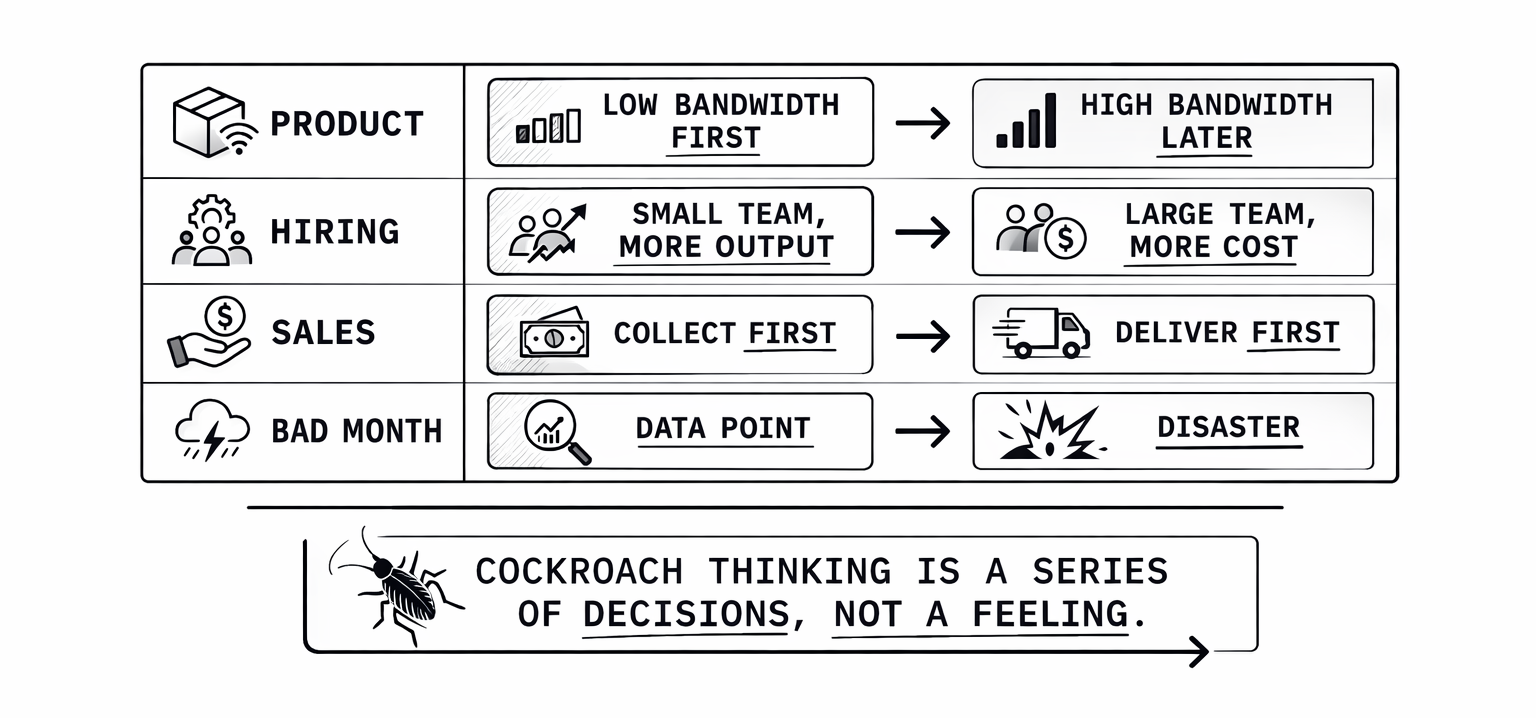
It shows up in product decisions: build for low bandwidth before you build for high bandwidth. It shows up in hiring: a small team that does more beats a large team that costs more. It shows up in sales: collect upfront before you invest in delivery. It shows up in how you read a bad month, not as evidence the idea is wrong, but as data on which assumption needs adjusting.
On collecting upfront: this is genuinely difficult in markets where customers are cautious about paying before they have seen delivery. Three tactics that work. Offer a small but meaningful discount for prepayment, 10% is enough to shift behaviour in price-sensitive markets. Use phased delivery with payment at each phase, so the customer never pays for more than one step ahead. Build a track record with smaller paid engagements before pitching larger contracts. Trust precedes upfront payment. The tactics are about accelerating the trust, not bypassing it.
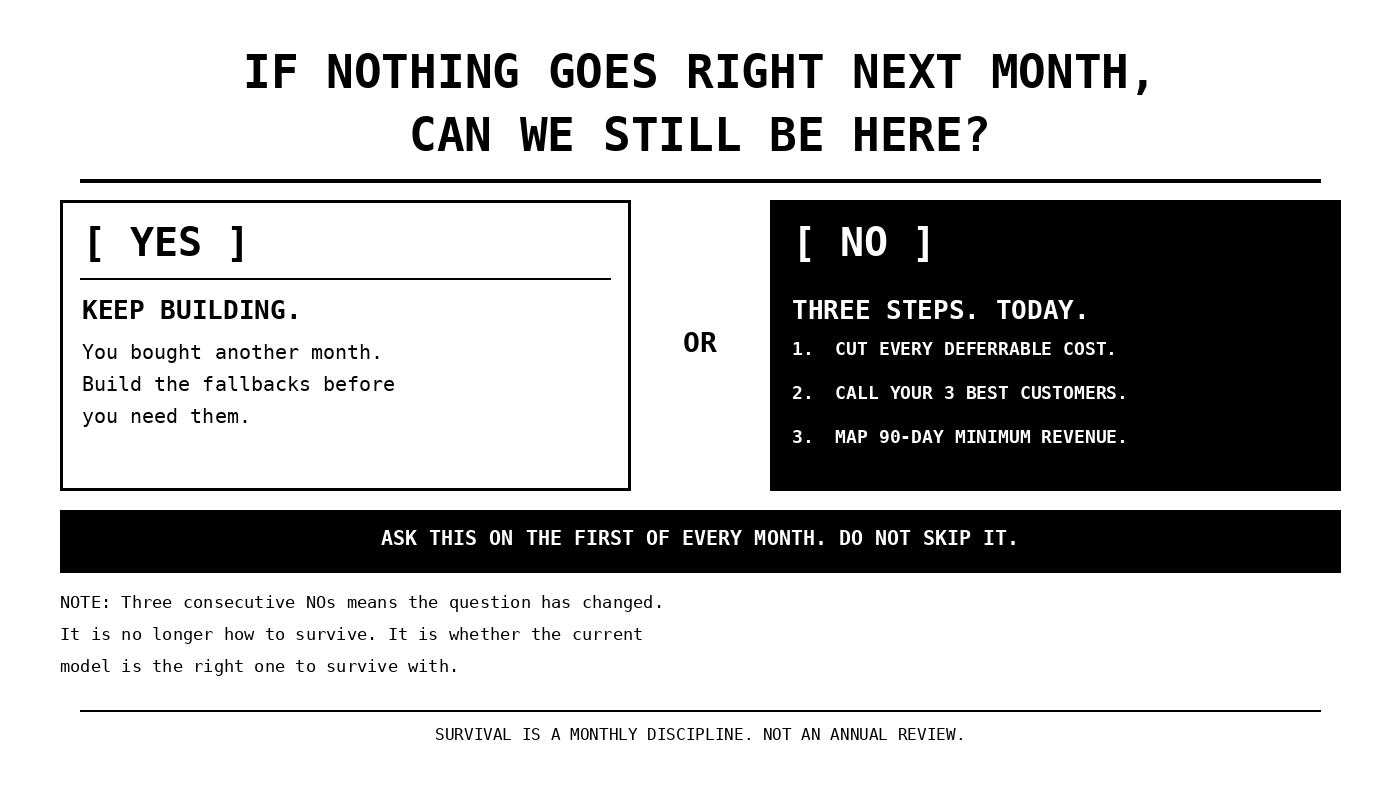
The single most useful cognitive habit is the monthly survival question: if nothing goes right next month, can we still be here? Not thrive. Not grow. Just exist. If the answer is yes, you have bought another month to find what works.
If the answer is no, stop reading and do three things today. Identify every cost that can be deferred or cut without destroying the product. Contact your two or three most engaged customers about prepayment or early renewal in exchange for a discount. Map the minimum revenue needed to extend runway by 90 days. That is your only strategy until the answer changes to yes.
The Tools Cockroach Founders Actually Use
Revenue before scale, not alongside it, before it. The first version of your product should be something a real person pays real money for, even if it is delivered manually, even if the margin is thin, even if the interface is rough. Revenue is proof. Everything else is hypothesis.
Manual before automated. Automation has a cost: engineering time, infrastructure, maintenance. A manual process that works is worth more than an automated process you cannot afford to maintain. Build the automation when volume makes it unavoidable. Until then, do it by hand. I have watched two startups in Joburg spend six months automating a workflow that processed forty orders a month. Do not do that.
Cash before receivables. Collect before you deliver, wherever the model allows. In markets where payment infrastructure is still maturing and collections are unreliable, receivables are not revenue. They are optimism in a spreadsheet.
Infrastructure failure as a design input, not a bug report. Build assuming disruption will happen. M-Kopa's daily mobile money repayment model works for customers who earn income daily and cannot commit to monthly cycles. The product fits the cash flow reality of the people it serves. That alignment is not accidental. It is a design decision.
The Long Game
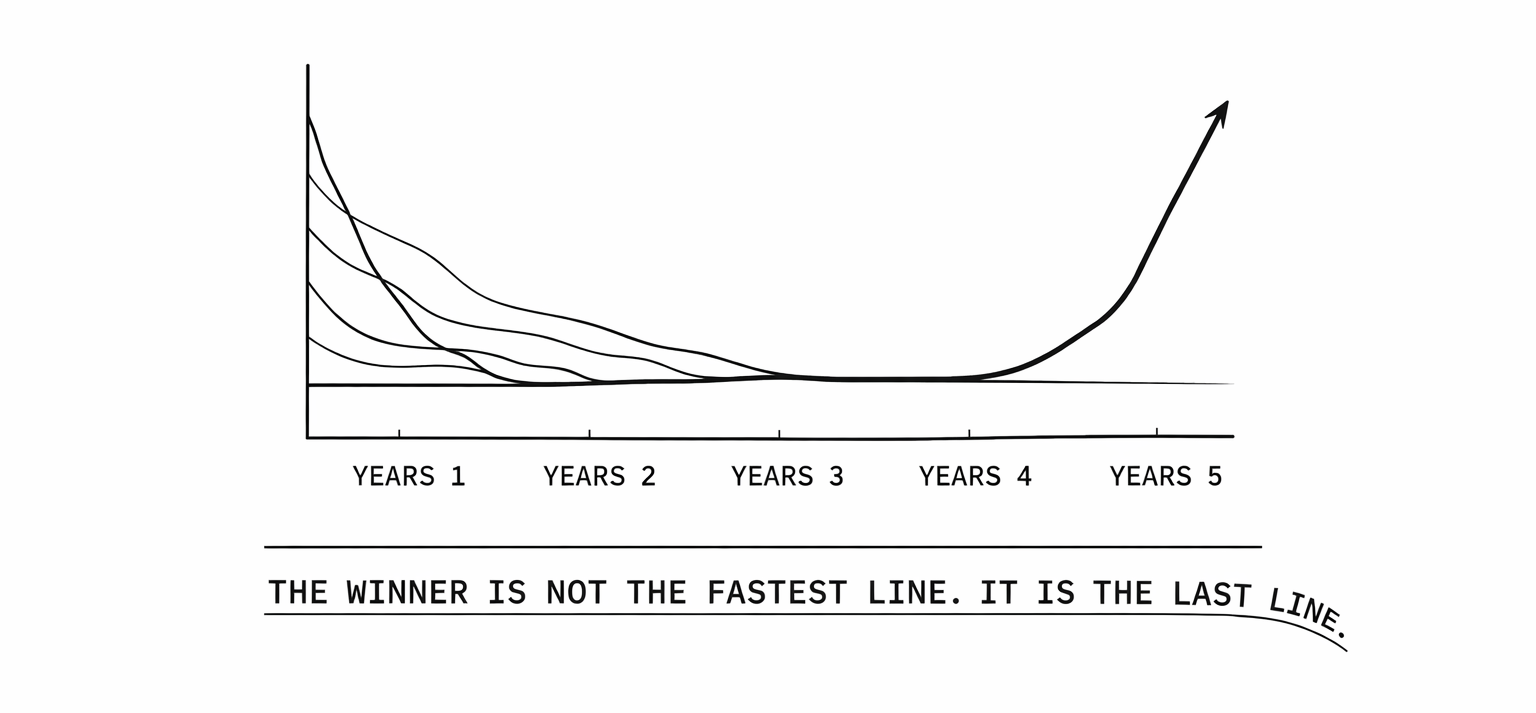
The founders still building in year five have run the survival calculation more times than they can count. They are not the ones who raised the most. They are not the ones who grew fastest in year one. They are the ones who never gave the environment a clean opportunity to finish them.
That is not a small thing. In markets where the environment applies pressure constantly, survival is the prerequisite for everything else. Get there, and the compounding begins. The cockroach does not win by being the strongest animal in the room. It wins by being the last one still there.
This week: calculate your true monthly burn, every committed cost, nothing excluded. Calculate your runway at current revenue with zero new sales. If that number is six months or more, use the breathing room to build offline fallbacks and upfront payment habits before you need them. If it is under six months, the three steps above are your entire agenda until it is not.